
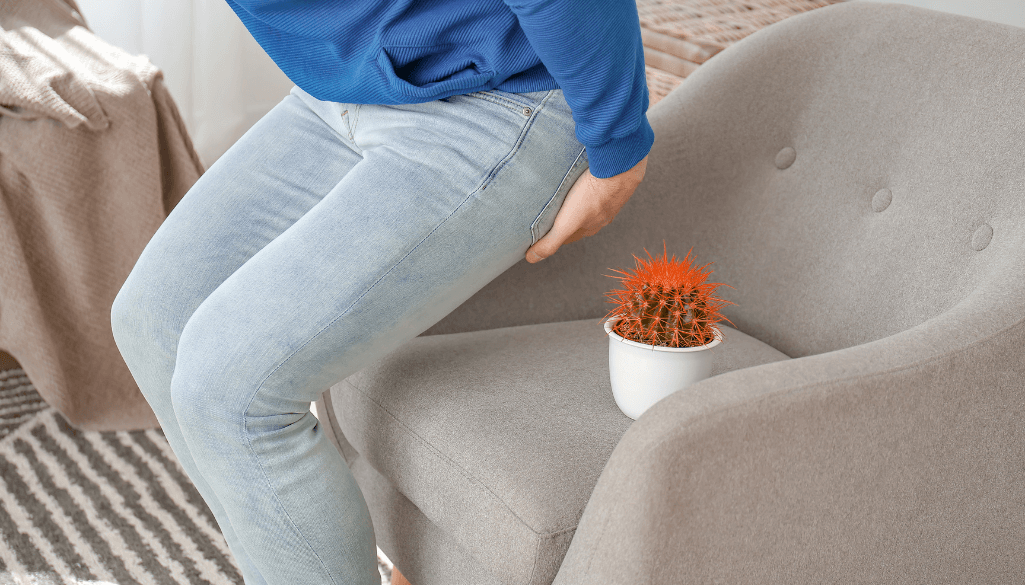
Anal fissures are tiny tears in the lining of the anus that can cause surprising discomfort, especially when passing stools. The pain, often sharp and intense, can make everyday activities uncomfortable and even lead to a lingering fear of going to the bathroom. While these fissures are common and can affect people of any age, many are unaware of how easily they can form—often from something as simple as constipation, diarrhoea, or straining too hard during bowel movements.
This guide will give you detailed insights on how to heal a fissure fast at home, along with the treatments to relieve pain and speed up the healing process so you can get back to feeling comfortable and at ease.
7 Ways to Heal a Fissure Quickly
Healing an anal fissure is possible with the right approach, including home remedies, dietary changes, and sometimes medical treatments for faster relief. Let’s explore these options.
1. Increase Fibre Intake for Softer Stools
One of the most important steps in healing an anal fissure is to avoid straining during bowel movements. Straining can make the fissure worse and delay healing. The key to preventing straining is ensuring that your stools are soft and easy to pass, and the best way to achieve this is by increasing your fibre intake.
Fibre helps absorb water into the stool, making it bulkier and softer, which reduces the need to strain. It also promotes regular bowel movements, preventing constipation, a common cause of fissures.
Increase your intake of whole grains, legumes, fruits, and vegetables. Foods like apples, berries, leafy greens, and oats are high in fibre. If it’s difficult to get enough fibre from food, consider taking a fibre supplement to help soften stools and make bowel movements easier.
2. Stay Hydrated

Along with fibre, drinking plenty of water is essential for softening stools. Dehydration is one of the primary causes of hard stools, which can make passing them difficult and painful.
When you’re well hydrated, the body retains more water in the stool, keeping it soft and easier to pass. This reduces the pressure on the anal canal, allowing the fissure to heal faster.
Try to drink eight glasses of water or more each day. You may need more if you’re active or live in a hot climate. Herbal teas or water-rich fruits like watermelon can also contribute to your daily hydration needs.
3. Take Warm Sitz Baths
A sitz bath is a simple yet highly effective method for soothing the pain and inflammation caused by an anal fissure. Soaking the affected region in warm water can enhance blood circulation, help relax the anal muscles, and ease discomfort.
You can use a shallow tub or a specially designed sitz bath that fits over your toilet. Fill it with warm water and soak the anal area for 10 to 15 minutes. It’s best to do this 2 to 3 times a day, especially after a bowel movement.
To enhance your comfort, consider incorporating a small quantity of Epsom salt into the water. Epsom salt has anti-inflammatory properties that can help calm irritation and promote healing. Just be sure the water is not too hot, as excessive heat can worsen irritation.
4. Use Topical Treatments
Topical creams and ointments can provide immediate relief from pain and inflammation. While over-the-counter solutions can help, some prescription medicines are more effective for speeding up healing and addressing the underlying muscle spasms that can worsen fissures.
Numbing Creams: Over-the-counter creams containing lidocaine or other numbing agents can help temporarily relieve pain and make bowel movements more comfortable. Apply these creams as needed to numb the area.
Nitroglycerin Ointment: If your fissure is particularly painful, your doctor may prescribe nitroglycerin ointment. This medicine works by relaxing the anal sphincter muscles, which improves blood flow to the area and helps the fissure heal faster.
Aloe Vera: Aloe vera gel, with its soothing and anti-inflammatory properties, can be applied directly to the fissure for natural relief. Choose pure aloe vera gel to avoid added chemicals or fragrances that could irritate the area.
5. Avoid Straining During Bowel Movements
One of the most important factors in healing an anal fissure is to avoid any activity that could put unnecessary pressure on the area. Straining during bowel movements can re-tear the fissure, causing further pain and prolonging the healing process.
Never rush when you go to the bathroom. Try to relax and let your body pass waste naturally. If you’re struggling, don’t force it—wait until the urge is stronger.
Instead of sitting straight on the toilet, consider elevating your feet on a small stool to mimic a squatting position. This position helps align the rectum for easier stool passage and reduces the need to strain.
6. Maintain Good Anal Hygiene
Proper hygiene is crucial for preventing infection and irritation in the sensitive area around the anus. Cleanliness helps avoid additional discomfort while ensuring the fissure heals properly.
After each bowel movement, gently rinse the area with lukewarm water instead of using toilet paper. Harsh wiping can irritate the fissure further.
After rinsing, gently pat the area dry with a soft towel. Avoid rubbing or scrubbing, as this may irritate the skin and delay healing.
Avoid scented toilet paper, wipes, or soaps, as these can contain chemicals that may irritate the delicate skin around the anus.
7. Avoid Trigger Foods

Certain foods that makes you constipated or irritate the digestive system, both of which can worsen the symptoms of an anal fissure. Avoiding these trigger foods can help your body heal more quickly.
Spicy foods, citrus fruits, and tomatoes can irritate the lining of the anus, making the fissure worse. These foods can also increase bowel urgency or discomfort.
Refined carbohydrates, like white bread, pasta, and processed snacks, can contribute to constipation. These foods lack the fibre needed to soften stools and prevent straining.
Conclusion
Anal fissures can be uncomfortable, but with the right approach, most can heal within a few weeks. Emphasise a high-fibre diet, proper hydration, and avoiding straining to prevent a recurrence. For persistent cases, don’t hesitate to reach out to a doctor for guidance. Healing a fissure fast requires a combination of lifestyle changes and, when necessary, appropriate medical treatments.
For those wondering how to heal an anal fissure quickly and wondering if it’s possible to cure fissure permanently, know that with regular care and proper attention, you can effectively manage and heal these tears over time. Additionally, understanding the signs a fissure is healing can help you monitor your progress and refine your care routine for a faster recovery.”
Frequently Asked Questions
1. What cream works best for healing fissures?
Using glyceryl trinitrate (GTN) ointment around the anus can help relax the muscles in that area, making it easier for the fissure to heal. This ointment can also provide quick pain relief. About 70% of people with long-lasting anal fissures find it gets better after using GTN.
2. Can anal fissures heal in just two days?
Most anal fissures typically heal within a few days to a few weeks. However, if a fissure lasts longer than eight weeks, it’s considered chronic. If you’re being treated for a chronic fissure, it may take an additional six to 12 weeks for it to heal.
3. Can walking help heal fissures?
Walking can be beneficial for healing fissures. Just make sure to maintain a steady pace that feels comfortable for you. It helps with bowel movements, prevents constipation, and encourages better blood circulation, which can speed up the healing process.
4. What exercises are good for fissures?
Here are 9 effective exercises for people dealing with fissures:
- Kegels (to strengthen pelvic floor muscles)
- Squats
- Glute Bridges
- Lunges
- Hip Extensions
- Clamshells
- Low Back Extensions
5. Is soaking in hot water good for fissures?
Soaking your anal area in warm or hot water can help relax the muscles, improve blood flow, relieve pain, and help in healing.