

An anal fissure is defined as cuts or tears in the skin lining the anus. Although the wound is generally small, it can lead to considerable pain during the healing process. Recognising the signs of an anal fissure and understanding the various stages of healing can help avoid misdiagnosis and prevent more serious complications. Adopting an effective self-care routine for anal fissures promotes the successful management of treatment at home.
If you have an anal fissure, signs that it is healing include stopping the bleeding, feeling less pain, and seeing the wound start to close. The rate of healing for anal fissures can vary based on their type.
Continue reading to learn the signs indicating an anal fissure is healing and when it is important to seek medical help.
Major Signs a Fissure is Healing
Healing an anal fissure can be a gradual process, but recognising the key signs of recovery can help you track your progress and stay motivated. These signs indicate that the wound is closing, inflammation is subsiding, and the affected tissue is repairing itself. While each person’s healing journey may vary, paying attention to these positive changes can provide reassurance that your treatment plan is working.
Below are the major signs to look for as your anal fissure heals.
1. Reduction in Pain During Bowel Movements
One of the first signs of healing is a noticeable decrease in the sharp pain experienced during bowel movements. Initially, passing stool may feel unbearable, but as the fissure begins to close and the tissue repairs itself, the pain will diminish. Over time, bowel movements should feel less distressing and more manageable.
2. Decrease in Bleeding
Bleeding, often seen as bright red streaks on toilet paper or in the toilet bowl, is a common symptom of an anal fissure. As the tear heals, the frequency and volume of bleeding will reduce. Minimal or no bleeding during bowel movements is a good indication of progress.
3. Less Itching and Irritation
Irritation and itching around the anal area often accompany anal fissures, as the body’s natural inflammatory response can cause discomfort. As healing progresses, inflammation decreases, and the itching and irritation will subside.
4. Improved Bowel Movements
Passing stool becomes easier and less painful when the fissure begins to heal. This improvement is often due to softer stools and a more relaxed anal sphincter, which reduces strain on the fissure.
5. Visible Changes in the Fissure
For those comfortable with self-examination or guided by a doctor, the fissure itself may appear smaller or less inflamed. The edges of the tear will start to close, and the area may look less red and swollen.
6. Reduced Swelling
Swelling around the anal area is common with fissures, especially in the early stages. As the body heals, swelling decreases and the area will feel less tender to the touch.
7. Overall Comfort
A general sense of relief and comfort is a positive sign of healing. Activities that previously aggravated the pain, like sitting for long periods or walking, become more tolerable as the fissure heals.
When to Seek Medical Help?
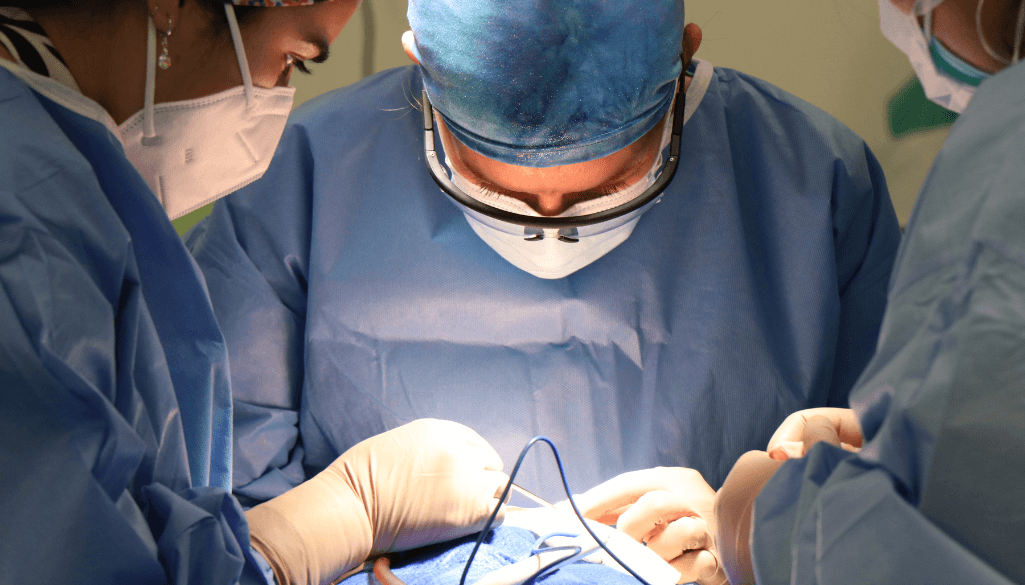
If you still do not see the above fissure healing signs but you are experiencing severe pain and bleeding, it might be time to consider surgery.
While most anal fissures heal within a few weeks, chronic or severe cases may require further intervention. If you notice no improvement despite following a treatment plan, or if your symptoms worsen, consult a healthcare provider. Many people find home remedies to be ineffective for treating anal fissures. There are various stool softeners available that can help. It’s important to avoid factors that may increase your risk of developing fissures and to adopt a healthy lifestyle.
Final Thoughts
While anal fissures can be distressing, they often heal with proper care. Signs of healing include less pain, reduced bleeding, and visible wound closure.
Consulting a doctor is essential for those struggling with healing despite at-home treatments. Explore home remedies for anal fissures to learn effective ways to support recovery and prevent future fissures.
Frequently Asked Questions
1. How can I tell if my fissure is healing?
If your fissure is healing, you might notice occasional itching, but it shouldn’t be as strong or bothersome as it was when the fissure was painful. Feeling more comfortable and less irritated during the day is a good sign of healing.
2. Do healing fissures bleed?
You might see some blood streaks on your stool or on toilet paper, and sometimes, a little blood might drip into the toilet. If there’s no bleeding at all, it could mean the fissure has closed up, but this doesn’t necessarily mean it’s completely healed.
3. When do fissures stop hurting?
Most acute anal fissures heal within about 6 weeks with proper care. Some may heal once constipation is addressed. However, fissures that last longer than 6 weeks are considered chronic and may need more intensive treatment, including surgery.
4. Can you see a fissure?
Yes, you can usually see an anal fissure as a small crack in the skin around the anus, especially if the area is stretched a bit. Fissures are typically found in the middle and can cause pain during bowel movements and some bleeding. You might notice blood on your stool or on toilet paper afterwards.