Published on: October 3, 2025 | Updated on: October 6, 2025
SHARE THIS ARTICLE
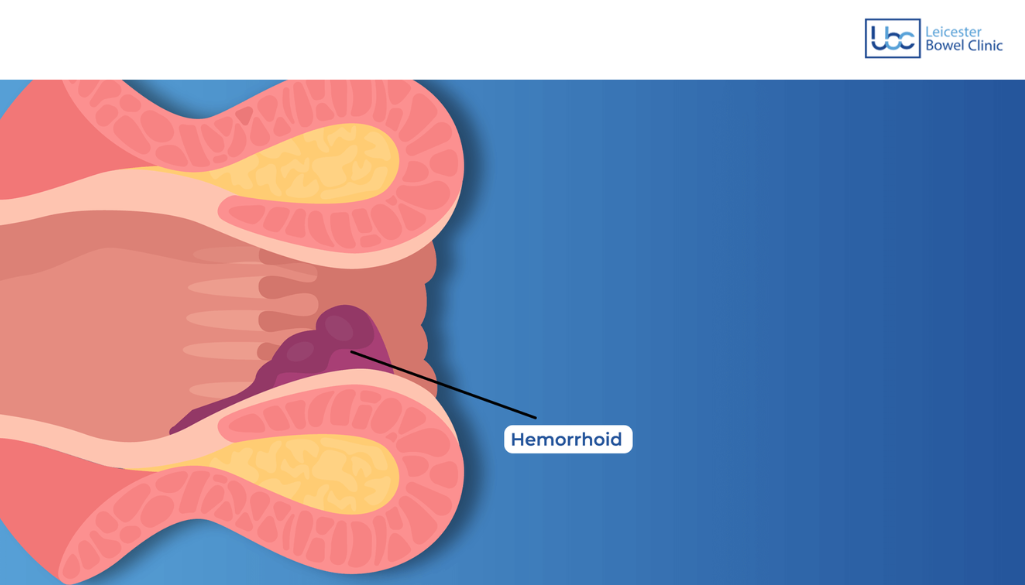
Haemorrhoids are one of the most common yet uncomfortable conditions affecting millions of people. Even occasional flare-ups can make sitting, walking, or doing daily activities painful. While they aren’t usually dangerous, they can disrupt your life more than you might expect.
But luckily, haemorrhoids can be treated quickly. Professional procedures like rubber band ligation, sclerotherapy or infrared coagulation can shrink them fast, while at-home solutions such as witch hazel wipes help soothe and reduce swelling. Simple lifestyle changes, like eating more fibre and staying well-hydrated, also prevent further irritation and support faster healing.
In this guide, we’ll cover everything from causes and symptoms to fast-acting treatments and long-term strategies to help you get relief.
Medical Treatments for Severe Haemorrhoids
When haemorrhoids become large, painful, or keep recurring, home remedies and creams are often insufficient. In these cases, doctors may suggest medical procedures to shrink or remove them.
🚨 Haemorrhoids Making Daily Life Unbearable?
If the pain, bleeding, or swelling is stopping you from sitting, walking, or even focusing at work, it’s time to act. Home remedies can help mild cases, but recurring or severe haemorrhoids usually need expert care.
Don’t push through the discomfort; get a proper diagnosis and treatment plan today.
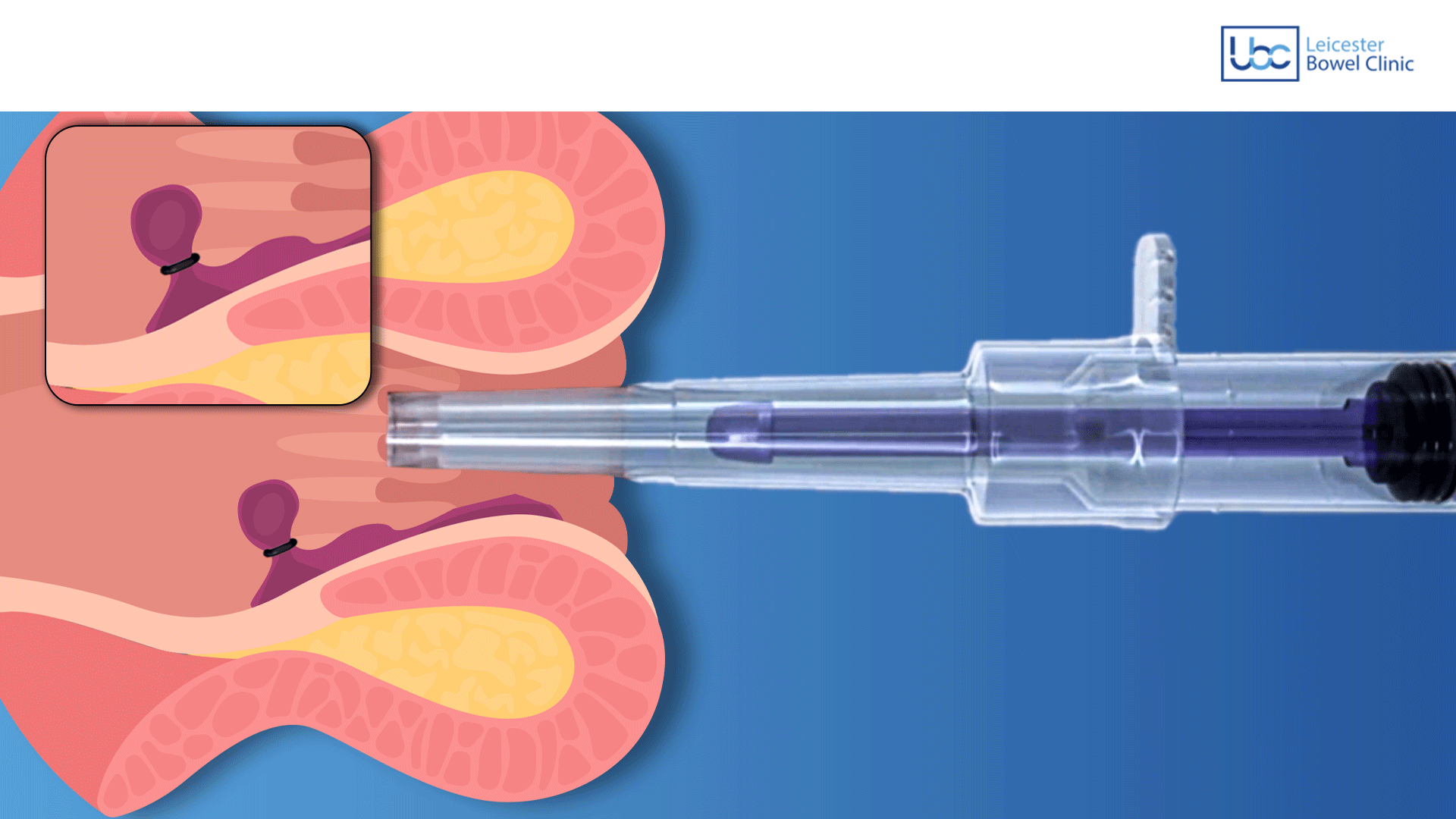
In banding of haemorrhoids, the doctor places a tiny rubber band around the base of the haemorrhoid inside your rectum. The band cuts off the blood supply to the swollen vein. Without blood, the haemorrhoid shrinks, dries out, and usually falls off on its own within a week.
Best for: Small to medium internal haemorrhoids that bleed or sometimes bulge out during bowel movements.
When it’s used: When diet changes, creams, and other home treatments haven’t worked.
Side effects/Risks: Mild pain or pressure for a few days, bleeding when the haemorrhoid falls off, rare risk of infection, and possible recurrence if the haemorrhoids are large.
2. Haemorrhoidectomy
What it is and how it works
Haemorrhoidectomy is the traditional operation where the surgeon surgically removes the haemorrhoids. It is done under anaesthesia, so you won’t feel pain during the procedure. After the swollen tissue is removed, the wound may be sutured to promote healing. This completely removes the haemorrhoid tissue and its blood supply.
Best for: Large haemorrhoids that are always outside, very painful, or keep coming back.
When it’s used: For advanced haemorrhoids (Grade 3–4) or when other procedures have failed.
Side effects/Risks: Significant pain during recovery, bleeding, infection, and temporary difficulty urinating. Rarely, scar tissue can form.
3. Haemorrhoidal Artery Ligation (HALO/THD)
What it is and how it works
This is a minimally invasive procedure. A special probe with ultrasound is used to find the arteries that supply blood to the haemorrhoids. The doctor ties off these arteries with stitches, cutting off the blood flow. If the haemorrhoids are bulging, stitches are also placed to pull them back inside. Over time, the haemorrhoids shrink.
Best for: Medium to large internal haemorrhoids that bleed or prolapse but are not extremely advanced.
When it’s used: When patients need a more effective treatment than banding but want less pain than open surgery.
Side effects/Risks: Mild pain, light bleeding, recurrence in some cases, and rare infection.
4. Laser Haemorrhoidoplasty
What it is and how it works
This treatment uses a fine laser probe to deliver heat energy directly into the haemorrhoid. The laser closes the blood vessels inside it and causes the swollen tissue to shrink. Because the laser is precise, surrounding tissues are less affected.
Best for: Internal haemorrhoids of different grades, especially when faster recovery is needed.
When it’s used: For patients who want a minimally invasive, less painful option.
Side effects/Risks: Mild pain or swelling, a small chance of bleeding, and risk of recurrence if haemorrhoids are very large.
5. Sclerotherapy
What it is and how it works
In this method, the doctor injects a chemical solution directly into the haemorrhoid. This solution irritates the vein walls, causing them to scar and close off. Without blood flow, the haemorrhoid shrinks and symptoms improve.
Best for: Small internal haemorrhoids, especially when bleeding is the main problem.
When it’s used: For mild haemorrhoids or for patients who cannot undergo surgery.
Side effects/risks: Mild discomfort at the injection area, light bleeding, irritation, and rare allergic reaction.
6. Infrared Coagulation
What it is and how it works
This treatment uses a device that shines a beam of infrared light onto the haemorrhoid. The heat from the light burns and scars the tissue, which blocks the blood supply. With reduced blood flow, the haemorrhoid shrinks.
This is a surgical method that uses a circular stapling device. The stapler removes a small ring of tissue inside the rectum above the haemorrhoids. This pulls the haemorrhoids back into place and reduces their blood supply. As a result, the haemorrhoids shrink and stop prolapsing.
Best for: Large haemorrhoids that hang out of the anus often.
When it’s used: For patients needing surgery but preferring a less painful option than traditional haemorrhoidectomy.
Side effects/Risks: Bleeding, infection, recurrence, and rare injury to nearby tissues.
8. The Rafaelo Procedure
What it is and how it works
This is a modern, minimally invasive treatment. A small probe is inserted into the haemorrhoid, and radiofrequency energy (controlled heat) is delivered. This heat closes the blood vessels and shrinks the haemorrhoid from the inside.
Best for: Internal haemorrhoids that bleed or bulge but are not extremely large.
When it’s used: For patients who want fast recovery and minimal pain.
Side effects/Risks: Mild pain, slight bleeding, temporary swelling, and, in rare cases, recurrence.
⚠️ Tried Creams and Home Fixes But Still Struggling?
If haemorrhoids keep coming back or the pain doesn’t ease, you may need more than over-the-counter relief. Procedures like banding, laser, or sclerotherapy can shrink haemorrhoids fast, with minimal downtime.
Our specialists can assess your situation and recommend the treatment that works best for you.
These home remedies are meant for uncomplicated haemorrhoids. The measures below reduce swelling, ease pain, and prevent further irritation.
1. Eat more fibre
Fibre softens and bulks up stool, making it easier to pass and reducing straining that worsens haemorrhoids. Doctors often recommend increasing fibre intake as a first step.
How to do it: Add whole foods like oats, beans, apples, and whole-grain bread gradually over 1-2 weeks to avoid gas. Psyllium husk supplements (e.g., Metamucil) are also an option; just follow the label.
What to expect: Easier bowel movements may occur in 2-3 days, with full benefits taking a few weeks. Fibre can also reduce bleeding and other symptoms over time.
Precautions: Drink plenty of water with fibre supplements to prevent harder stools.
2. Drink more water
Water keeps stool soft, reducing constipation and straining by allowing it to move through the bowel more easily. Clinics recommend increased fluid intake for haemorrhoid care.
How to do it: Aim for consistent water intake throughout the day. A good indicator of hydration is pale, straw-coloured urine. Increase intake if exercising or in a hot climate.
What to expect: Hydration leads to softer stools within a few days and works best with fibre.
3. Change your toilet habits
Avoiding strain and delaying bowel movements reduces pressure on anal veins. Small posture changes can make it easier to pass stool. Avoiding pushing is crucial for preventing haemorrhoids.
How to do it: Go when you feel the urge; don’t wait, push, or hold your breath. Elevate your feet on a small stool to mimic a squatting position and reduce strain.
What to expect: You should experience less strain and easier bowel movements, often within days.
4. Take a sitz bath
A sitz bath involves sitting in warm, shallow water for 10–15 minutes. It relaxes the anal muscles, reduces pain and itching, and improves blood flow.
How to do it: Fill a tub or sitz bath basin with warm water. Sit for 10-15 minutes, two to three times a day, especially after bowel movements. Pat the area dry afterwards.
What to expect: Expect immediate relief from burning or pain. Regular use can enhance comfort and aid healing in days.
Precautions: Avoid harsh soaps or bubble baths, keep water warm (not hot), and clean the basin after each use.
5. Encourage regular bowel movements
Regular bowel habits reduce constipation and straining. Consistent bathroom timing trains your body and prevents hard stools. A combination of regular habits, fibre, fluids and natural laxatives is recommended.
How to do it: Use the bathroom daily at a convenient time, preferably after meals when gut activity is higher. Short-term use of gentle stool softeners or laxatives can help.
What to expect: More regular, softer stools within days to a week with consistent practice and diet changes.
6. Limit your time in the toilet
Prolonged sitting on the toilet increases pressure on rectal veins, worsening haemorrhoids.
How to do it: Use the toilet when needed and leave after a few minutes if you don’t pass stool.
What to expect: Reduced pressure on haemorrhoids and fewer flare-ups over time.
7. Do regular exercise
Regular movement stimulates digestion, prevents constipation, and reduces pressure that can lead to haemorrhoids. Exercise is recommended for prevention.
How to do it: Aim for 20-30 minutes of brisk walking most days. Avoid heavy lifting and use good technique if your job requires it.
What to expect: Improved bowel regularity in days to weeks and reduced haemorrhoid flare-ups in the long run.
8. Cleaning and maintaining hygiene
Keeping the area clean reduces irritation and prevents infection. Use warm water and soft wipes instead of harsh soaps and rough toilet paper.
How to do it: After bowel movements, rinse with warm water or use fragrance-free, alcohol-free wipes. Avoid scented products, pat dry gently, and change underwear daily.
What to expect: You should experience reduced itching and irritation quickly.
Precautions: Choose unscented, alcohol-free wipes to avoid stinging.
9. Dry properly
Why it helps: Moisture and friction irritate the skin, prolonging healing. Gently drying the area reduces rubbing and maintains skin integrity. Clinicians recommend patting instead of rubbing.
How to do it: After cleaning or a sitz bath, pat the area dry with a soft towel. For sensitive areas, use a hairdryer on a low, cool setting from a distance, or let them air dry briefly before dressing.
What to expect: Reduced irritation and quicker symptom relief.
Over-The-Counter (OTC) Treatments
OTC options usually relieve symptoms but do not cure the underlying haemorrhoids. Use them short term and combine them with the home measures above. If symptoms persist beyond a week, check with your doctor.
Topical treatments
Creams, ointments, or wipes applied to the anus reduce itching, swelling, or pain. Common ingredients include witch hazel, low-strength hydrocortisone, and local anaesthetics like lidocaine, providing fast, temporary relief.
How to use them: Follow package instructions. Use hydrocortisone creams for short terms (up to a week) to avoid thinning skin. Witch hazel pads are generally safe and can be used multiple times a day.
What to expect: You can expect rapid relief from itching and burning for hours, though these treatments typically don’t eliminate the haemorrhoid.
Precautions: If irritation increases or signs of infection appear (fever, spreading redness), stop use and consult a doctor.
Oral medicines
Oral options for constipation include fibre supplements (psyllium), stool softeners (docusate), and short-term laxatives (polyethene glycol). Fibre supplements effectively reduce symptoms and bleeding.
How to use them: Take fibre supplements with plenty of water as per the label. Use stool softeners for a short time if stools are hard and painful. For chronic constipation, follow a doctor’s advice instead of using stimulant laxatives.
What to expect: Expect softer stools in 1-3 days, leading to easier and less painful bowel movements.
Precautions: Increase fibre intake gradually to prevent gas and bloating. Consult a doctor before using laxatives if you have a bowel obstruction or specific medical conditions.
Pain relievers
Oral pain relievers like acetaminophen and NSAIDs (e.g., ibuprofen) can reduce pain and inflammation temporarily. Topical numbing agents like lidocaine are also effective.
Usage: Follow the label instructions for over-the-counter medications and avoid long-term use of topical agents unless advised by a doctor.
What to expect: Pain relief for a few hours post-dose/application.
Precautions: NSAIDs can cause stomach issues or bleeding if overused. Consult your doctor if you’re on blood thinners or have medical conditions.
Suppositories
Suppositories are small, bullet-shaped medicines inserted into the rectum, often containing hydrocortisone to reduce swelling and itching, particularly for internal haemorrhoids.
How to use them:
Follow package instructions. Typically, insert a suppository after a bowel movement while lying on your side with one knee up. Wash your hands before and after.
What to expect:
You should experience local relief and decreased itching or swelling within a few days.
Precautions:
If you experience severe pain after insertion, consult a doctor. Avoid using steroid suppositories for extended periods without medical advice.
When To See A Doctor?
Seek medical attention if:
Bleeding is heavy or persistent.
Haemorrhoids are extremely painful or thrombosed.
Symptoms do not improve after a week of home treatment.
There’s a noticeable prolapse that cannot be pushed back in.
You experience unexplained weight loss, severe abdominal pain, or changes in bowel habits.
Prompt medical evaluation ensures there’s no underlying condition, like colorectal issues, causing your symptoms.
Final Thoughts
Shrinking haemorrhoids quickly is possible with the right mix of home remedies, healthy habits, and medical care if needed. For mild cases, reducing inflammation, improving bathroom habits, and supporting circulation can bring relief in just a few days. More severe or persistent haemorrhoids may require procedures like sclerotherapy or coagulation, but recovery is usually straightforward.
The key is acting early and making consistent lifestyle changes to prevent flare-ups. Combine quick topical relief with a fibre-rich diet, good hydration, and smarter bathroom habits, and you not only shrink haemorrhoids but also restore comfort and return to normal life.
Frequently Asked Questions
1. Can haemorrhoids shrink on their own?
Yes. Small haemorrhoids often shrink with home care, such as more fibre, water, sitz baths, and good toilet habits. Larger ones may need medical treatment.
2. How long do haemorrhoids take to heal?
Mild cases improve in a few days to a week with home remedies. Severe or recurring haemorrhoids may take longer or require a doctor’s procedure.
3. What’s the fastest way to get relief?
A warm sitz bath, witch hazel pads, and over-the-counter creams or pain relievers usually ease pain and itching quickly.
4. When should I see a doctor?
If you have heavy bleeding, severe pain, prolapsing haemorrhoids that don’t go back in, or if symptoms don’t improve in a week, see a doctor.
5. Can haemorrhoids come back after treatment?
Yes. Even after treatment, they can return if constipation, straining, or poor toilet habits continue. Lifestyle changes are key to prevention.
As an aesthetic content writer specializing in creating captivating and visually appealing blogs, my focus is on crafting narratives that resonate with elegance, beauty, and sophistication. With meticulous attention to detail and a passion for aesthetics, I curate content that inspires and engages, weaving together imagery and language to evoke emotions and stir the senses. From exploring the latest trends in fashion and design to delving into the realms of art, culture, and lifestyle, each piece I create is a fusion of creativity and artistry, designed to captivate and delight discerning readers.
Mr. Sanjay Chaudhri started the Leicester Bowel Clinic in 2010 with a focus on offering minimally invasive surgery and latest treatments for abdominal and bowel conditions. He offers laparoscopic (keyhole) and robotic surgery (since 2014) for conditions such as colorectal cancer, inflammatory bowel disease, and diverticular disease.
He also participates in research and is an investigator for various clinical research studies and a member of the European Society of Coloproctology Cohort Studies Committee since 2014.