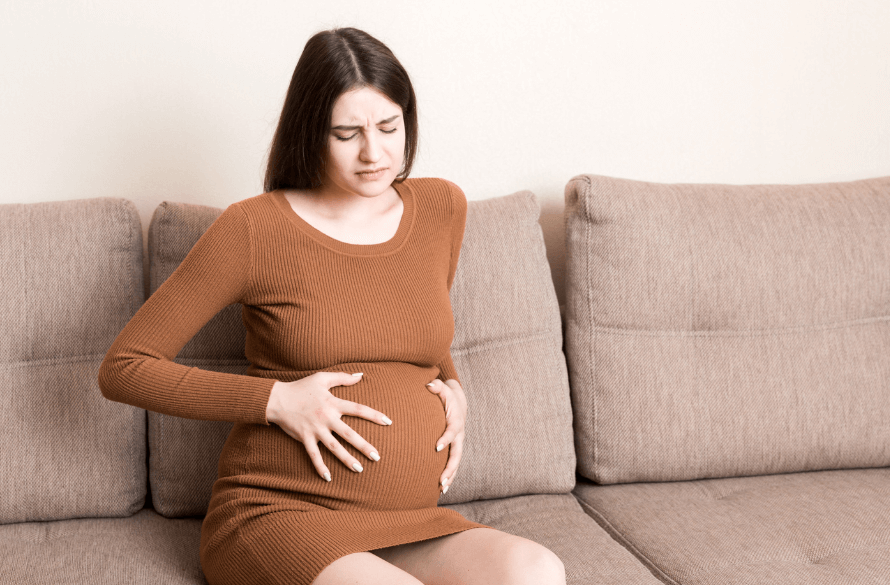

Haemorrhoid banding is a common and generally well-tolerated procedure. It’s often a great non-surgical solution for internal haemorrhoids, especially when home remedies just aren’t enough. But one side effect that can catch patients off guard is throbbing pain after the procedure. While some discomfort is expected, throbbing pain can feel alarming, especially if you’re unsure what’s normal and what’s not.
If you’re dealing with throbbing pain after haemorrhoid banding, you’re not alone—and this blog will walk you through why it happens, what’s normal, how to manage it, and when to seek help.
Let’s review the details so you feel informed and confident during your recovery.
Why Does Throbbing Pain Happen After Haemorrhoid Banding?
A throbbing pain is typically caused by inflammation or pressure from the rubber band placed around the haemorrhoid. Throbbing pain isn’t unusual after haemorrhoid banding, though it varies from person to person. Here are some reasons it might occur:
1. Tissue Irritation and Inflammation
The rubber band creates pressure on the surrounding tissue as it cuts off blood flow. This can irritate the area, leading to inflammation. Throbbing is often a sign of your body responding to this change as the haemorrhoid begins to shrink.
2. Muscle Spasm
The anal sphincter (the muscle that controls bowel movements) can sometimes go into spasm after banding. This involuntary tightening can cause a pulsing or throbbing sensation, especially in the first day or two.
3. Sensitivity Near the Banding Site
Although the band is placed above the pain-sensitive nerves, the nearby tissues might still feel the effects. If the band shifts slightly or if there’s swelling, it could press on sensitive areas, resulting in throbbing discomfort.
4. Bowel Movements
Passing stool after banding can put pressure on the treated area, especially if you’re straining or if the stool is hard. This can trigger or worsen throbbing pain as the tissue adjusts.
5. Normal Healing Process
As the haemorrhoid dies off and detaches (usually within 7-14 days), your body is working to heal the small wound left behind. Throbbing can be part of this natural process as blood flow and nerves react to the changes.
6. Band Placement Too Low
If the band is placed too close to the nerve-rich area of the anal canal, it can cause more pain than usual. This kind of placement might result in sharp or throbbing pain soon after the procedure.
7. Increased Pressure or Constipation
Straining during bowel movements or sitting for long periods can put extra pressure on the rectal area, intensifying discomfort and triggering a throbbing sensation.
How Long Does the Throbbing Pain Last?
Some level of throbbing or sharp pain is completely normal, especially in the early days of healing. Most people feel the most intense discomfort during the first week, with pain gradually improving in the second week. This aligns with the typical haemorrhoid banding recovery time, which ranges between one and two weeks for most individuals.
Here’s a general timeline of what to expect:
- First 2–3 days: Pain is usually at its peak and can range from moderate to severe.
- First week: Throbbing pain tends to be most noticeable, but it’s manageable with prescribed or over-the-counter medication.
- Second week: Pain usually starts to ease, becoming milder day by day.
- By the third to fourth week, Most people feel a significant improvement, though mild discomfort can linger depending on healing speed.
Complete recovery can take anywhere from 4 to 8 weeks, but for many, the intense pain becomes much more manageable after the first couple of weeks. For more on this process, read our blog on how long does it take for a haemorrhoid to shrink.
Is Throbbing Pain Normal? What to Expect?
It is normal to feel some discomfort after haemorrhoid banding, and throbbing pain can be part of that experience. Here’s what’s typical:
Timing: Throbbing often starts within a few hours of the procedure and may last 1-2 days. It might flare up again when the haemorrhoid falls off (around 7-10 days later).
Intensity: Most people describe it as a mild to moderate feeling. They say it’s more like a dull ache or a pulsing sensation, not sharp or unbearable pain.
Other Symptoms: You might also feel a sense of fullness in your rectum, a slight urge to have a bowel movement, or minor bleeding when the haemorrhoid detaches.
Studies show that about 65-90% of patients experience some pain or discomfort after banding, but it’s usually manageable with simple steps. For example, pain peaks around 4 hours post-procedure and fades significantly within a week for most people.
So, if your throbbing pain is mild and gets better over a couple of days, it’s likely just part of the recovery.
When to Call Your Doctor?
While some discomfort is expected after haemorrhoid banding, certain symptoms shouldn’t be ignored. It’s important to know when something may not be normal and requires medical attention. Reach out to your doctor — or go to the emergency department — if you notice any of the following:
1. Severe or Unmanageable Pain
If the throbbing turns into sharp, intense pain that doesn’t improve with painkillers, it might mean the band is placed too low or a complication like a thrombosed haemorrhoid (a clot) has developed.
2. Heavy or Ongoing Bleeding
A small amount of bleeding is normal, especially when the banded haemorrhoid falls off. However, if you soak through pads, pass bright red blood for more than a couple of days, or see a large amount at once, seek help right away.
3. Signs of Infection
Fever, chills, or feeling generally unwell could be signs of infection. Although rare, it’s important to take these symptoms seriously.
4. Painful Swelling or a New Lump
If a painful, swollen lump appears near your anus and doesn’t settle even after taking pain relief, it could be a thrombosed haemorrhoid that needs prompt treatment.
5. Trouble Urinating
Not being able to pass urine, or feeling a constant urge without relief, could suggest internal swelling or pressure that needs checking.
6. Black or Tarry Stool
If your stool looks black or tarry (known as melaena), this could mean bleeding higher up in the digestive tract — don’t wait to get it looked at.
7. Persistent Vomiting
If you are constantly falling sick or are unable to keep fluids down, get medical advice immediately.
Final Thoughts
Experiencing throbbing pain after haemorrhoid banding can be uncomfortable, but it’s often a temporary and manageable part of the healing process. With the right care and a bit of patience, most people recover quickly and enjoy long-lasting relief from haemorrhoid symptoms.
If you’re preparing for this procedure or are currently recovering, knowing what to expect and how to manage your symptoms can make a big difference in your overall comfort and peace of mind.
Frequently Asked Questions
1. What is the recovery time for haemorrhoid banding?
After haemorrhoid banding, you should avoid lifting anything heavy for about 2 to 3 weeks. This means things like large grocery bags, a heavy backpack, or even a child. You can still shower and bathe normally, just remember to gently pat your anal area dry afterwards.
2. How can I reduce haemorrhoid pain?
To ease haemorrhoid pain, you can use over-the-counter creams or suppositories that contain hydrocortisone. Pads with witch hazel or numbing medicine can also help. It’s beneficial to take warm baths or sitz baths, soaking the area in warm water for 10 to 15 minutes a few times each day.
3. Is walking good for haemorrhoid pain?
Yes, walking is good for haemorrhoids. Low-impact exercises like walking and yoga are the best choices. Try to avoid activities that put too much pressure on your anal area, such as cycling or lifting weights, as these can make haemorrhoids worse.
4. Are there any risks associated with haemorrhoid banding?
Haemorrhoid banding is generally safe, but like any medical procedure, it carries some risks. Potential complications include significant pain, infection, bleeding, or urinary issues. It’s important to contact your healthcare provider if you experience severe pain, heavy bleeding, fever, or difficulty urinating after the procedure.
5. How long does it take for a banded haemorrhoid to fall off?
Typically, a banded haemorrhoid will dry up and fall off within 2 to 4 days after the procedure. This process occurs as the rubber band cuts off the blood supply to the haemorrhoid, causing it to shrink and detach.