“Is it going to go away on its own?”
This is often the first question patients ask when they realise they’re dealing with a pile, also known as a haemorrhoid. The discomfort, the swelling, the awkwardness… It’s not something anyone wants to stick around. But the truth is, the lifespan of a pile isn’t the same for everyone.
Piles are swollen veins in the rectum or anus that can cause itching, pain, or even bleeding. While they’re incredibly common (affecting nearly 1 in 20 adults at some point), their duration varies widely based on factors like severity, lifestyle, and treatment.
Let’s talk about it—how long piles last, what factors affect their duration, and when you should think about treatment.
What Are Piles(haemorrhoids), and Why Do They Happen?
Piles occur when veins in the anal or rectal area become inflamed or swollen, often due to increased pressure. This pressure can stem from:
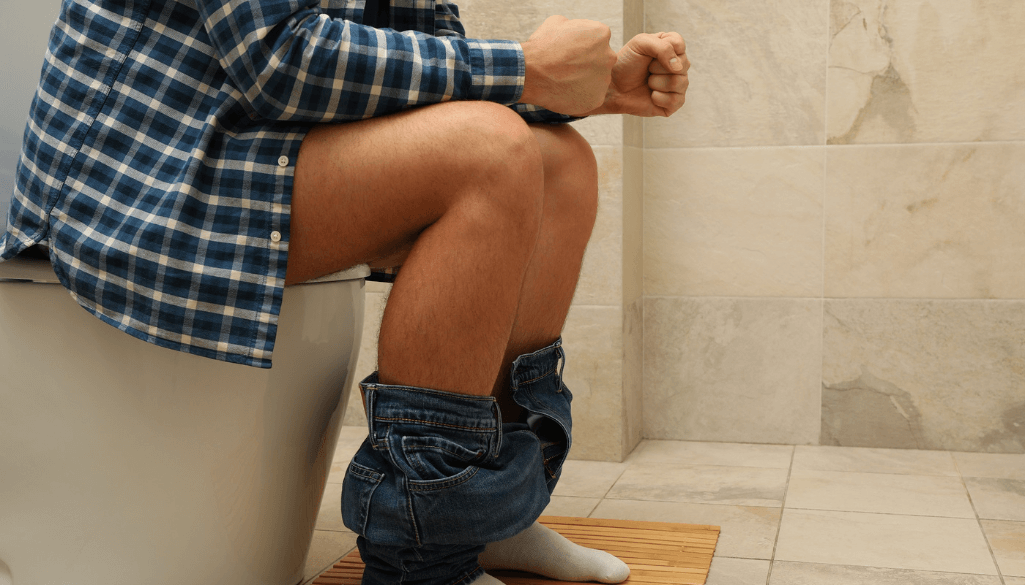
- Straining during bowel movements is common in cases of constipation or hard stools.
- Prolonged sitting: Think desk jobs or long commutes.
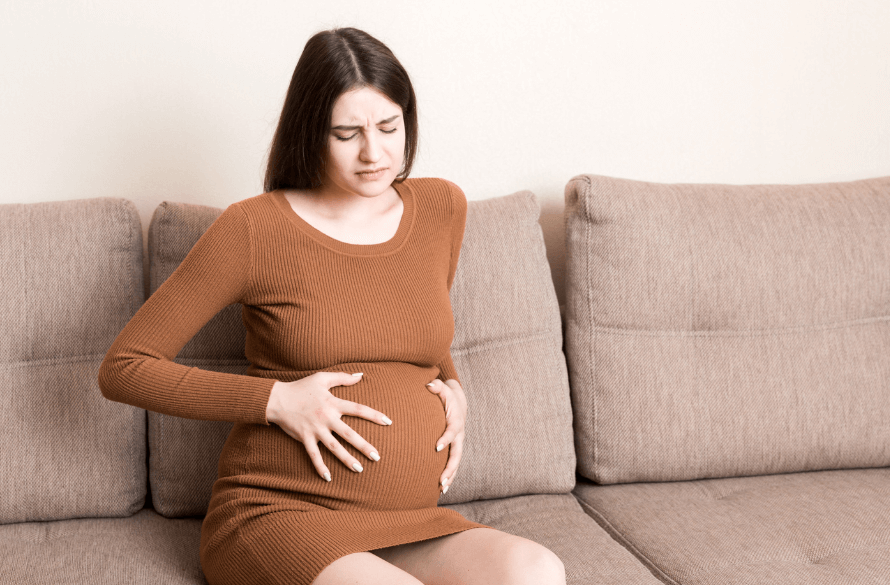
- Pregnancy: Increased pelvic pressure and hormonal changes can trigger piles.
- Obesity: Excess weight puts strain on pelvic veins.
- Low-fibre diets: These lead to harder stools, making straining more likely.
Piles can be internal (inside the rectum, often painless but may bleed) or external (under the skin around the anus, typically painful). Some people even experience prolapsed piles, where internal haemorrhoids protrude outside the anus. The type and severity play a big role in how long they stick around.
How Long Do Haemorrhoids Last?

There isn’t a specific time for how long piles will last. Smaller flare-ups often settle on their own within a few days, while larger external haemorrhoids may persist longer and sometimes require medical intervention to resolve.
If you’re wondering specifically about shrinkage timelines and healing phases, you might find this guide helpful: How Long Does It Take for a Haemorrhoid to Shrink.
1. Mild Piles (Grade I or II)
These are usually small, non-protruding piles that may cause mild discomfort or bleeding during bowel movements. Mild piles often resolve on their own if triggered by temporary factors like a bout of constipation or a long day of sitting. Over-the-counter creams, warm sitz baths, and dietary tweaks can speed this up.
Duration: They often go away within a few days to a week, especially if you address the root causes—like constipation or straining.
Symptoms: Itching, mild discomfort, or a small lump near the anus.
2. Moderate to Severe Piles (Grade III or IV)
These may protrude outside the anus (especially when straining) and may need to be pushed back manually or stay permanently outside. These may take longer, especially if inflammation or minor bleeding is involved. Consistent home remedies and lifestyle changes are key. If symptoms persist beyond two weeks, a doctor’s evaluation is wise.
Duration: These can persist for weeks or even months if left untreated. In some cases, they may only improve with medical procedures.
Symptoms: Pain during bowel movements, noticeable swelling, or occasional bleeding.
3. Thrombosed External Haemorrhoids
These are external piles with a blood clot inside, which makes them very painful and swollen. Prolapsed or thrombosed (clotted) piles can be stubborn. Medical treatments like rubber band ligation, sclerotherapy, or even surgery may be needed for lasting relief. Untreated severe piles can recur or worsen.
Duration: The acute pain usually peaks in 48–72 hours, but the lump may remain for several weeks (2–6 weeks or longer without intervention). Sometimes, surgical drainage is needed to speed up recovery.
Symptoms: Intense pain, significant swelling, persistent bleeding, or a protruding lump.
What Affects How Long a Pile Lasts?
Several factors influence the duration of a pile, including
1. Lifestyle Habits:
Poor lifestyle choices can significantly extend the duration of piles by perpetuating the conditions that cause or worsen them.
Prolonged sitting (e.g., at a desk or during long commutes) increases pressure on rectal veins, slowing healing. Low physical activity or irregular bowel habits, like delaying bathroom visits, can exacerbate constipation and strain, keeping piles inflamed longer.
2. Treatment Approach:
The speed and consistency of treatment directly influence how quickly piles resolve.
Early use of remedies like hydrocortisone creams, witch hazel pads, or sitz baths can reduce swelling and discomfort within days. Conversely, a haphazard or delayed approach, such as ignoring symptoms or using treatments inconsistently, can prolong recovery, especially for moderate to severe cases.
3. Underlying Health Conditions:
Certain medical conditions can complicate or extend the duration of a pile.
Conditions like irritable bowel syndrome (IBS), chronic diarrhoea, or constipation can irritate haemorrhoids, delaying healing. Pregnancy-related piles, driven by hormonal changes and pelvic pressure, may persist until after delivery. Other issues, like liver disease or pelvic tumours, can increase venous pressure, making piles more persistent.
4. Severity and Complications:
The grade and complications of piles are major determinants of their duration.
Mild piles (Grade 1) heal faster than prolapsed (Grade 3–4) or thrombosed piles, which involve blood clots and intense pain. Complications like infections or excessive straining can further delay recovery, sometimes necessitating medical procedures.
5. Hydration & Diet:
Not drinking enough water and consuming too little fibre are major factors that can worsen and prolong haemorrhoid symptoms.
When your diet lacks adequate hydration—ideally 8 to 10 glasses of water per day—and sufficient fibre from sources like fruits, vegetables, and whole grains (about 25–30 grams daily), stools can become hard and difficult to pass. This leads to straining during bowel movements, which further irritates existing piles. Diets high in processed or sugary foods can also contribute to constipation, making the healing process even slower.
6. Activity Levels:
Both inactivity and overly strenuous activities can affect how long piles last.
Spending long periods sitting or leading an inactive lifestyle can reduce blood circulation, raise pressure in the rectal veins, and delay the healing process. On the flip side, heavy lifting or high-impact exercises can aggravate piles. Light activities like walking or yoga promote circulation and prevent constipation, aiding faster recovery.
7. Treatment or Lack of It:
Whether and how you treat piles can make or break the recovery timeline.
Proactive treatment with over-the-counter creams, suppositories, or lifestyle changes can shrink piles quickly. Ignoring symptoms and continuing habits like straining or avoiding medical advice for severe cases can lead to complications like thrombosis or chronic piles, significantly lengthening discomfort.
When to Worry and See a Doctor?
While most piles resolve with time and care, certain symptoms warrant immediate attention:
- Heavy or persistent bleeding: Bright red blood is common, but dark blood or large amounts could signal another issue.
- Severe pain: Especially if it worsens or prevents sitting.
- Signs of infection: Fever, pus, or extreme swelling.
- Changes in bowel habits: Ongoing diarrhoea, constipation, or unexpected weight loss could be signs of an underlying health issue that needs medical attention.
A healthcare provider can rule out complications like anal fissures, fistulas, or even colorectal issues.
Final Thoughts
So, how long do piles last? For most, a few days to a couple of weeks is typical with proper care. Severe cases may take longer, but proactive steps like dietary changes, hydration, and timely treatment can make all the difference. The discomfort of piles may feel like an unwelcome guest, but with the right approach, you can show it the door sooner than you think.
If your symptoms persist, don’t suffer in silence. Speak with a healthcare provider or visit a specialist clinic to explore treatment options like banding of haemorrhoids or haemorrhoidectomy surgery. Quick action can often prevent a minor pile from turning into a long-term problem.
Frequently Asked Questions
1. Do piles go away on their own?
Yes, piles (or haemorrhoids) often heal by themselves, especially if they are small or mild. This usually happens in a few days or weeks. Making simple changes, like eating more fibre and not straining when you go to the bathroom, can help them go away faster. However, if the symptoms are really bad or don’t get better, you might need to see a doctor.
2. How long does it take for a haemorrhoid lump to go away?
Taking warm sitz baths can help ease the discomfort. The pain and swelling should start to improve within a few days, but it can take about 2 to 3 weeks for the lump to completely disappear.
3. How many years can piles last?
There isn’t a specific timeframe for how long piles can last. Mild cases often clear up within a few days, but larger external hemorrhoids may take more time to heal and could require professional treatment.
4. Are piles 100% curable?
While medicines and creams can help relieve the symptoms of piles, they don’t provide a permanent cure. Pain medications, creams, and suppositories can help reduce itching, pain, & swelling in the anal area.
5. How long does it take for haemorrhoids to stop?
Haemorrhoids, often caused by straining during bowel movements, usually improve with home treatments and lifestyle changes. Mild symptoms might go away in just a few days, but more serious or ongoing cases can take weeks or even months to resolve.
6. Is it OK to push haemorrhoids back in?
If haemorrhoids have popped out, you might be able to gently push them back in. In some cases, it retracts on its own, but without proper care, it could lead to complications like thrombosed haemorrhoids or become trapped if blood flow is restricted.