
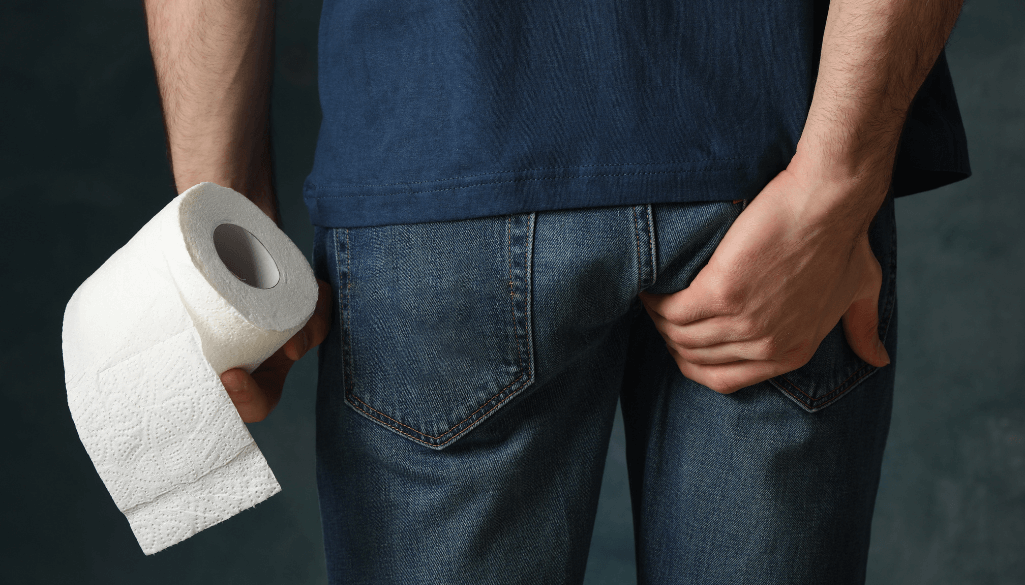
Haemorrhoids, often called piles, are swollen veins located in the lower part of the rectum and anus. There are two main types: internal and external. Internal haemorrhoids grow inside the rectum, while external ones develop just beneath the skin around the anus. A widely used treatment for internal haemorrhoids is rubber band ligation, often referred to as “banding.” This minimally invasive procedure involves placing a small rubber band around the base of the internal haemorrhoid, cutting off its blood supply. Within a few days, the haemorrhoid shrinks and falls off.
But why can’t you band external haemorrhoids? Let’s explore this further.
Why Banding Works for Internal Haemorrhoids?
The success of rubber band ligation for internal haemorrhoids is largely due to their location. Internal haemorrhoids originate above the dentate line, an area in the anal canal that lacks pain-sensitive nerve endings. As a result, the banding procedure typically causes minimal discomfort. The band cuts off the blood flow to the haemorrhoid, leading to its eventual demise and detachment without significant pain.
Challenges of Banding External Haemorrhoids
Applying RBL to external haemorrhoids is not recommended due to several factors:
Pain Sensitivity: The skin around the anus, where external haemorrhoids are located, is rich in pain-sensitive nerve fibres. Placing a rubber band in this area would cause significant pain and discomfort.
Anatomical Differences: External haemorrhoids are covered with skin, making them structurally different from internal haemorrhoids, which are covered with mucosa. This difference affects how treatments like RBL can be applied effectively.
Risk of Complications: Attempting RBL on external haemorrhoids can lead to complications such as thrombosis (formation of blood clots), severe pain, and infection. These risks outweigh the potential benefits of the procedure in treating external haemorrhoids.
Why Can’t You Band External Haemorrhoids?
While rubber band ligation is a common and effective treatment for internal haemorrhoids, it is not suitable for external haemorrhoids due to their location, pain sensitivity, and structural differences. Here’s why banding doesn’t work for external haemorrhoids.
The Role of Location
This procedure works for internal haemorrhoids because they are positioned above the dentate line, an area that lacks pain-sensitive nerves.
Pain Sensitivity and Discomfort
External haemorrhoids are found below the dentate line, where the skin is highly sensitive due to the presence of numerous pain receptors. Because of this, applying a rubber band to an external haemorrhoid would cause extreme discomfort and significant pain.
Ineffectiveness of Banding External Haemorrhoids
Aside from being painful, banding external haemorrhoids is not a practical solution. The band would struggle to remain in place due to the nature of the external tissue, making the procedure ineffective.
Final Thoughts
External haemorrhoids cannot be treated with rubber band ligation because they are covered with sensitive skin and have many pain nerves. Trying to band them would cause severe pain and possible complications like swelling, infection, or blood clots. Instead, treatments like home remedies, lifestyle changes, topical creams, or surgery are better options. If you are struggling with external haemorrhoids, it’s always best to consult a doctor to find the safest and most effective treatment for your condition.
If you’re wondering how long does it take for a haemorrhoid to shrink, lifestyle changes and proper treatment can speed up the healing process.
Frequently Asked Questions
1. Can I tie off an external haemorrhoid?
Rubber band ligation works well for internal haemorrhoids, so many people think it might help for external ones too. Unfortunately, that’s not how it works.
2. What happens if you band the external haemorrhoid?
When a doctor uses a small rubber band to tie off a haemorrhoid, it stops the blood flow to that area. This causes the haemorrhoid to shrink and eventually fall off in about a week. The skin around it heals and forms a small scar.
3. How painful is haemorrhoid banding?
The rubber band stops blood from getting to the haemorrhoid, which makes it fall off usually within 3 to 7 days. The process of putting on the band takes just a few minutes and is not painful.
4. Is it safe to tie off a haemorrhoid at home?
Sometimes, you can treat haemorrhoids at home. Rubber band ligation is a method used for haemorrhoids that don’t get better with home treatments. It’s a simple technique where a rubber band is tied around the base of the haemorrhoid to stop its blood supply.
5. When should I see a doctor for external haemorrhoids?
You should see a doctor if:
- Your haemorrhoids cause severe pain or excessive bleeding.
- You notice a lump that becomes hard or purple (which may indicate a thrombosed haemorrhoid).
- Home treatments do not improve your symptoms within a few weeks.
6. Can external haemorrhoids go away on their own?
Mild external haemorrhoids can shrink and go away with lifestyle changes and home treatments. It is possible to get rid of external hemorrhoids in 48 hours. However, large or painful haemorrhoids may require medical intervention for complete relief.